Planning a Tanzania safari is exciting, but packing the right items can make or break your experience. Our Tanzania safari packing list helps you travel comfortably, safely, and stress-free.
Clothing essentials include lightweight, neutral-colored clothes (beige, khaki, olive), long sleeves for sun and insect protection, a warm jacket for early morning game drives, and comfortable safari trousers. A wide-brim hat, sunglasses, and a scarf are also must-haves.
For footwear, pack comfortable walking shoes or light hiking boots, plus sandals for lodge downtime. Don’t forget personal items such as sunscreen, insect repellent, personal medications, toiletries, and a reusable water bottle.
Safari gear is key: binoculars, a good camera with extra batteries, memory cards, and a small backpack for daily game drives. Power banks are helpful, as charging options can be limited in remote areas.
Finally, bring travel documents (passport, visa, travel insurance), copies of important paperwork, and some cash for tips.
Packing smart ensures you enjoy every moment of your Tanzania safari—focused on wildlife, landscapes, and unforgettable memories.
Why Ndutu Is a Photographer’s Paradise
Ndutu, located in the southern Serengeti ecosystem, is one of the best safari destinations in Tanzania—especially for photographers. This area is famous for its open plains, dramatic skies, and extraordinary wildlife encounters.
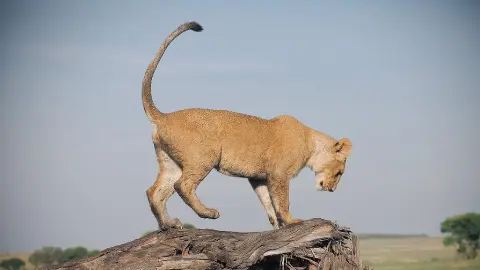
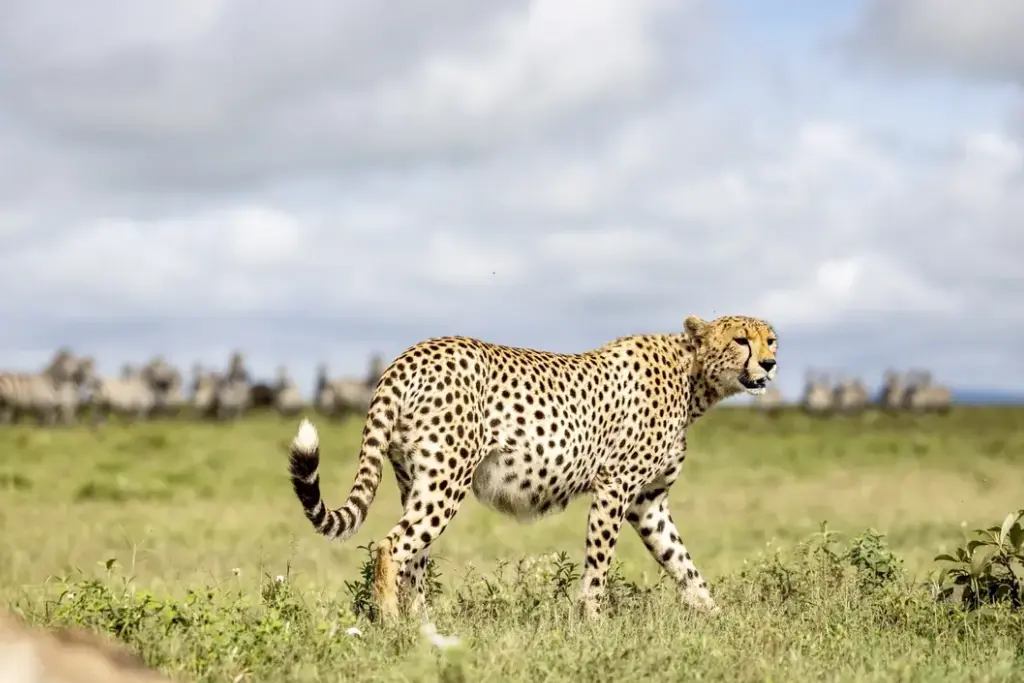
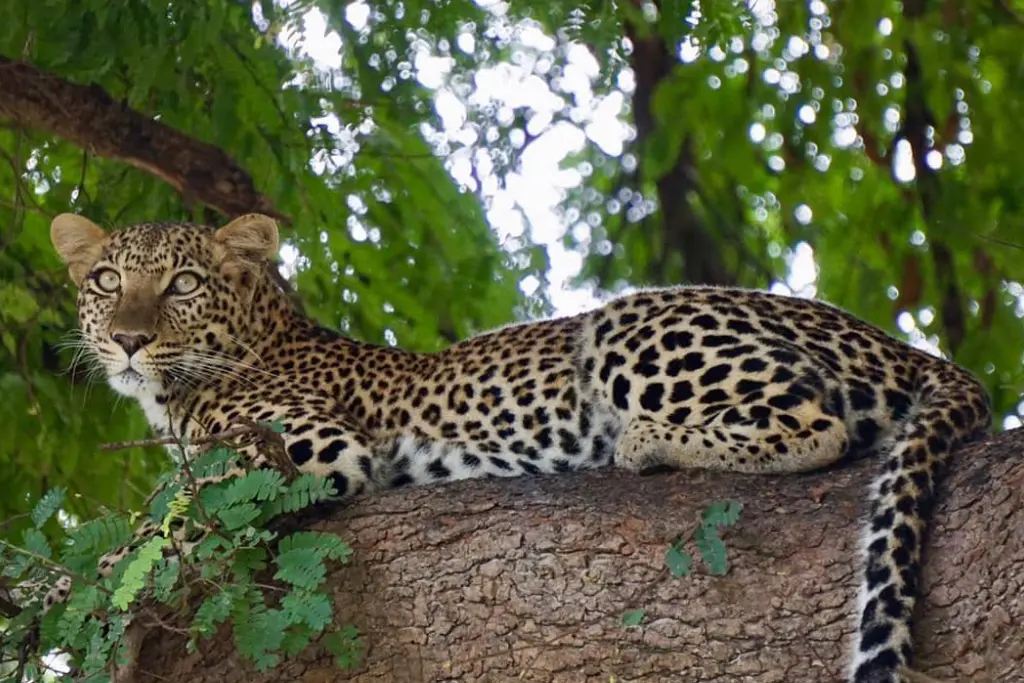
From December to March, Ndutu hosts the Great Migration calving season, offering unmatched opportunities to photograph wildebeest births, predator action, and intimate wildlife behavior. Lions, cheetahs, leopards, and hyenas are frequently seen, often in stunning open-light conditions.
Unlike more crowded parks, Ndutu allows off-road driving, giving photographers the freedom to position vehicles for perfect angles and compositions. The mix of grasslands, acacia woodlands, and seasonal lakes creates diverse backdrops ideal for wildlife photography.
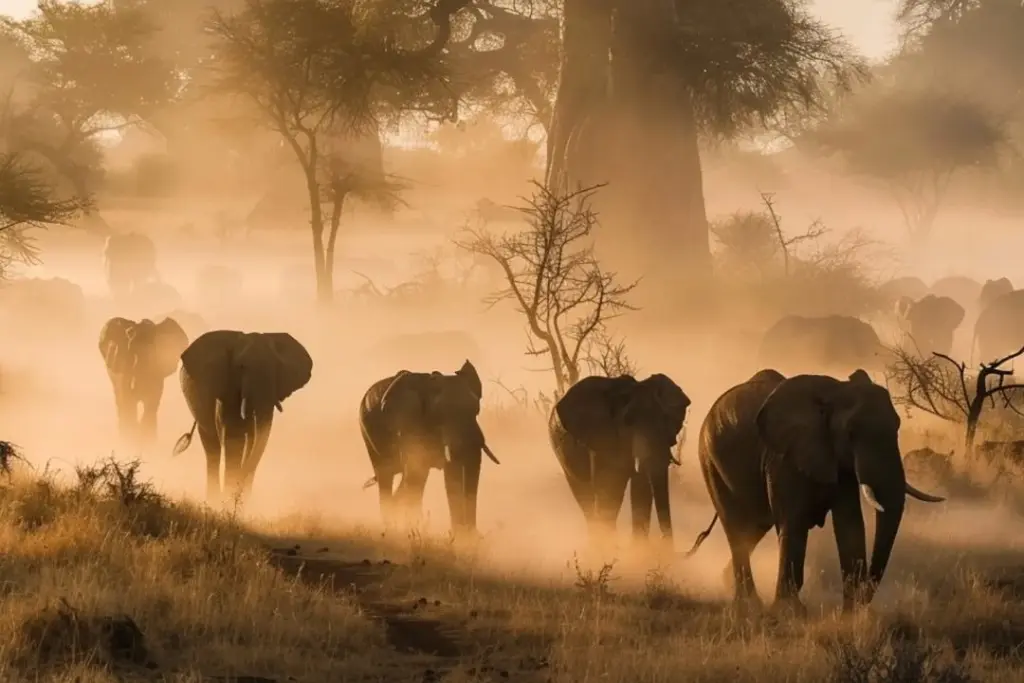
Golden sunrises, dust-filled action shots, and close encounters make Ndutu a dream destination for both professional and amateur photographers. If wildlife photography is your passion, Ndutu should be at the top of your Tanzania safari list.
Ngorongoro Crater: Why It’s a Must-Visit Safari Destination
The Ngorongoro Crater is one of Africa’s most iconic natural wonders and a highlight of any Tanzania safari. As the world’s largest intact volcanic caldera, it offers breathtaking scenery and unmatched wildlife density.
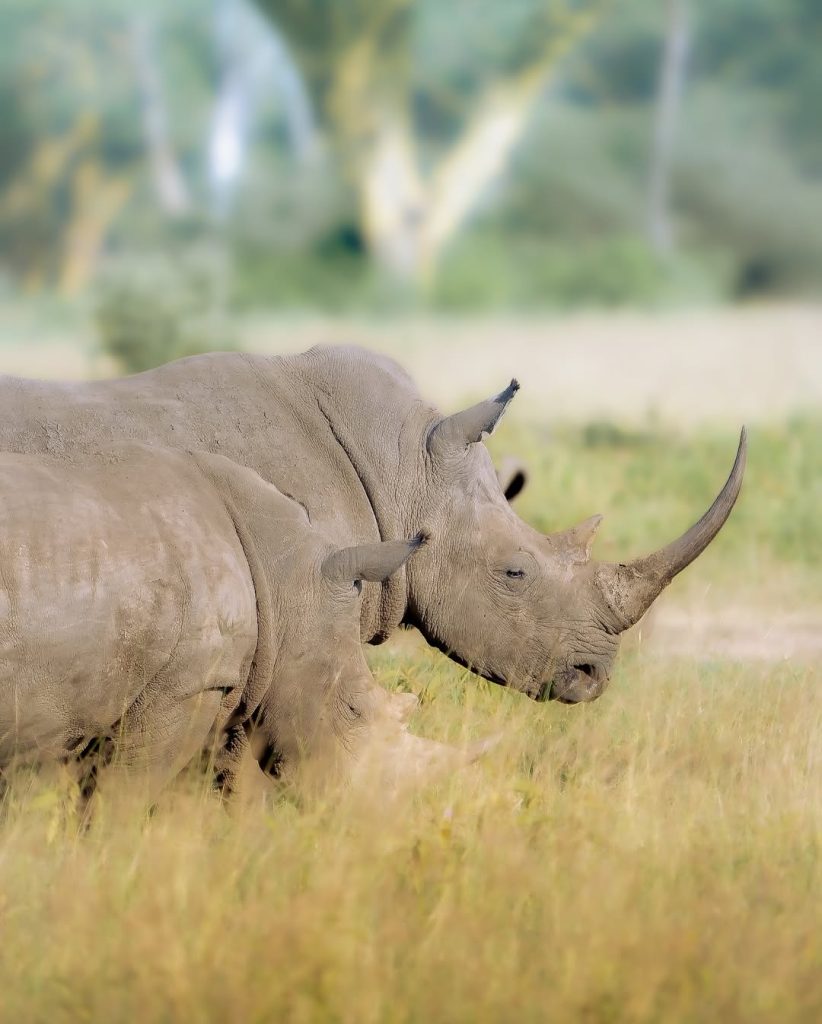
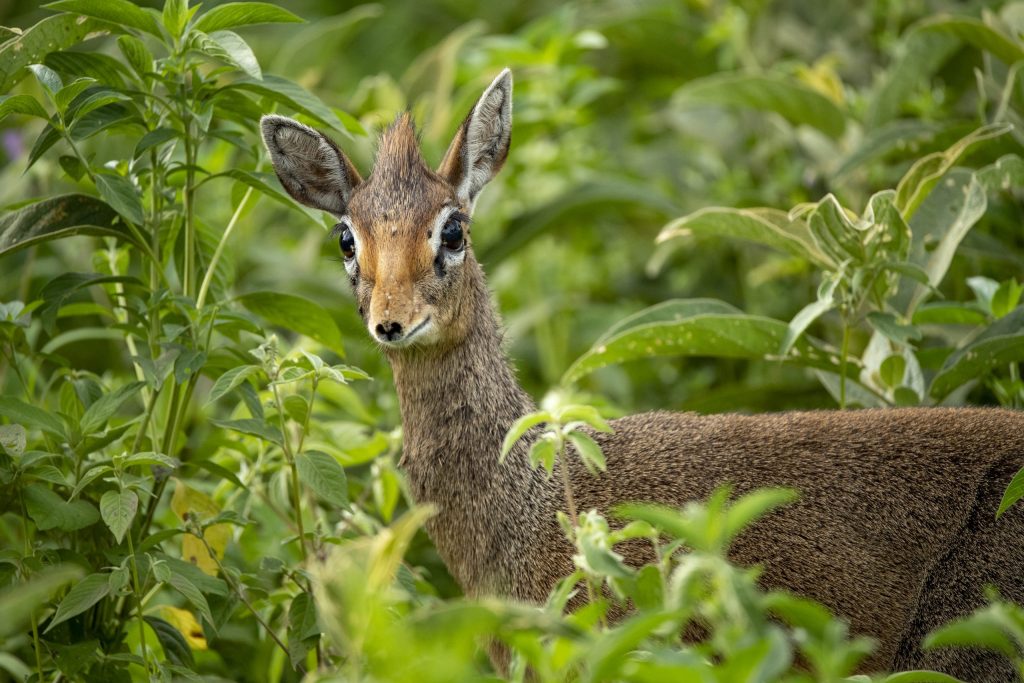
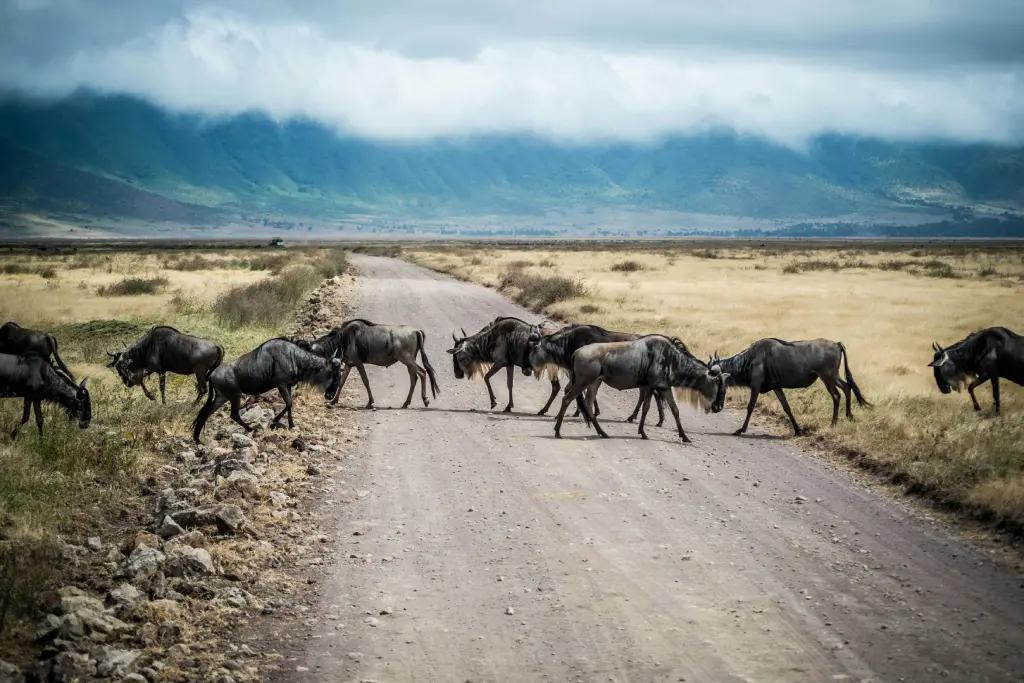
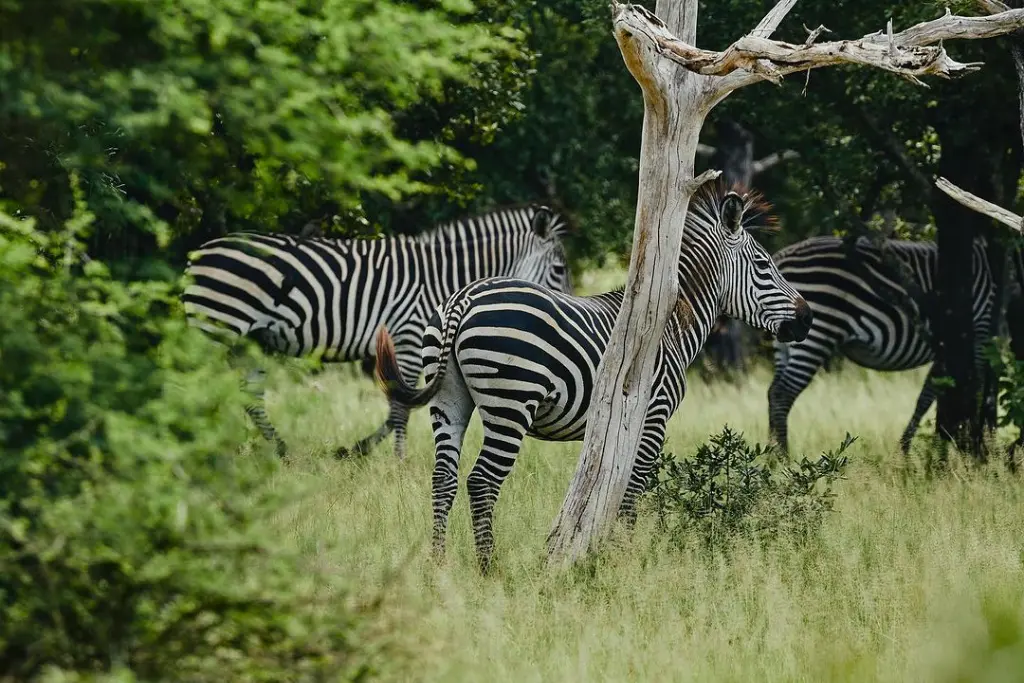
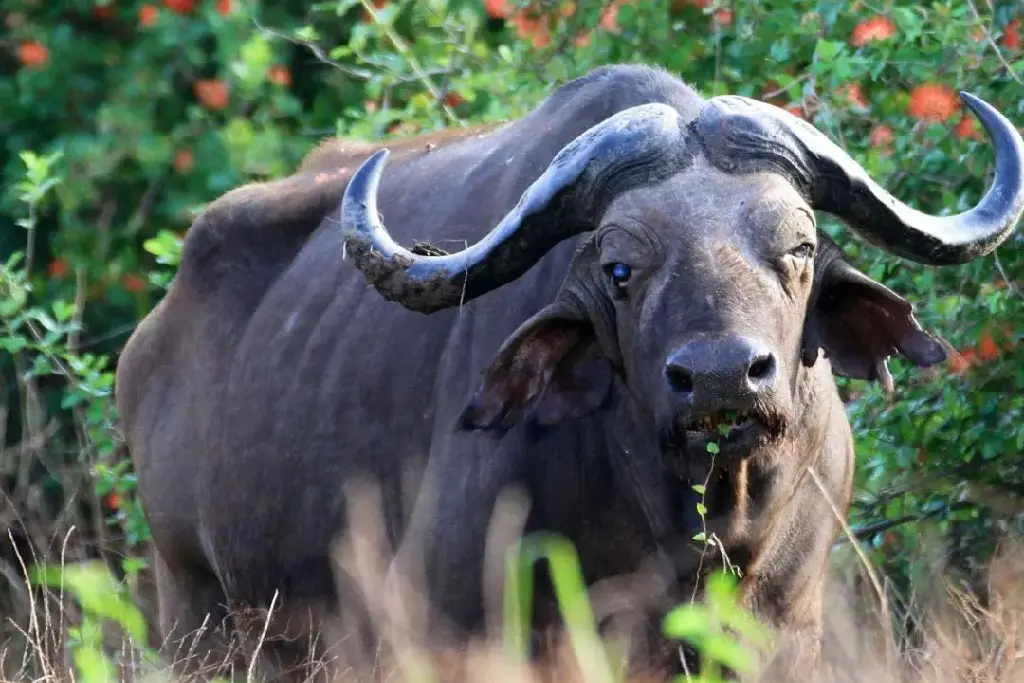
Often called a “natural zoo,” the crater is home to lions, elephants, buffalo, zebras, wildebeest, hippos, flamingos, and the rare black rhino—all within a compact area. This makes wildlife viewing exceptional year-round.
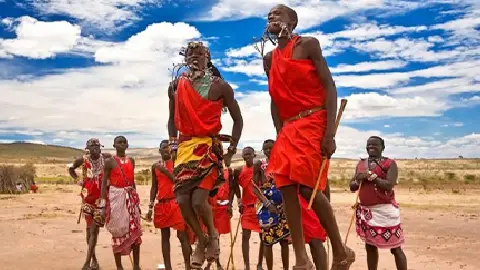
The crater’s unique ecosystem supports animals throughout the seasons, meaning visitors enjoy incredible game drives regardless of travel dates. Add to that the dramatic crater walls, soda lakes, and lush grasslands, and you have a safari experience unlike anywhere else. Ngorongoro also holds cultural significance, with nearby Maasai communities adding depth to your journey.
A visit to Ngorongoro Crater is not just a safari—it’s a once-in-a-lifetime experience.
Common Safari Mistakes to Avoid
A safari is a major investment, and avoiding common mistakes helps ensure a smooth and memorable trip.
One of the biggest errors is over-packing or packing the wrong clothing. Bright colors, heavy luggage, or unsuitable shoes can affect comfort and wildlife viewing. Another mistake is choosing the cheapest safari without checking quality, guides, or vehicle standards.
Many travelers also underestimate travel time and distances, trying to fit too many parks into a short itinerary. This leads to rushed game drives and fatigue. Skipping travel insurance or failing to listen to your guide’s advice are also common issues.
Lastly, unrealistic expectations—such as expecting guaranteed sightings—can affect enjoyment. Safaris are about nature, patience, and surprises.
Working with experienced safari planners helps you avoid these mistakes and enjoy a safe, well-paced, and rewarding safari.
How We Plan Ethical and Responsible Safaris
Ethical and responsible tourism is at the heart of how we design our Tanzania safaris. We believe unforgettable travel should also protect wildlife, respect local communities, and preserve natural ecosystems.
Our safaris follow responsible wildlife viewing practices, including maintaining safe distances, limiting vehicle numbers, and avoiding stress to animals. We work with professional guides trained in conservation and ethical safari standards.
We actively support local communities by employing local staff, working with community-owned lodges, and encouraging cultural exchanges that are respectful and authentic. This ensures tourism benefits the people who call these landscapes home. Environmental responsibility is also of key importance. We minimize waste, reduce plastic use, and choose eco-friendly accommodations whenever possible. By traveling with us, you’re not just going on safari—you’re supporting conservation, community empowerment, and